Welcome to a new tradition here at Lovecraft eZine: my favorite Lovecraftian and Weird Fiction books of the year. I asked each of these authors and editors to write a few words about the inspiration behind their book, and they were kind enough to oblige.
So without further ado, here are ten of my favorites from 2015 (in no particular order):
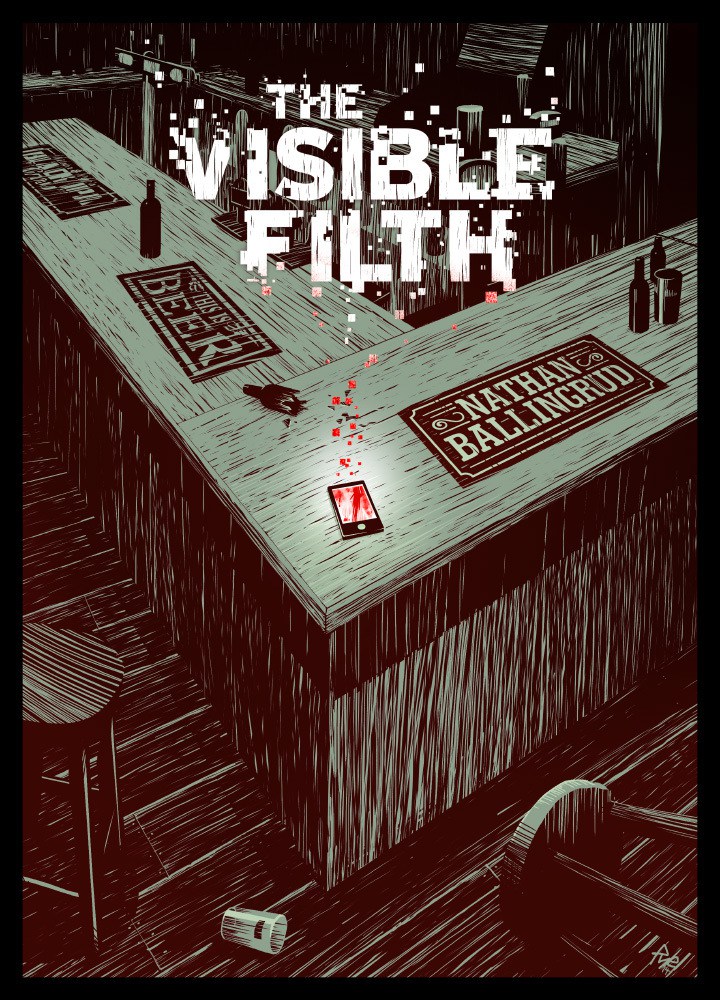
The Visible Filth. Author Nathan Ballingrud writes: “The Visible Filth came as a title first. I carried it around for a few months, unable to find a home for it. Later, I started thinking about the dark influence of cell phones on my own life, and the lives of so many people I know. Sometimes the cell phone feels like a direct line to a cosmic sewage sump; it fosters paranoia, anxiety, and compulsive behavior. The title clicked right into place, and the story — about the poison and suspicion that seeps into these peoples’ lives through this vessel — grew from that. I think it might be the grossest story I’ve ever written.”
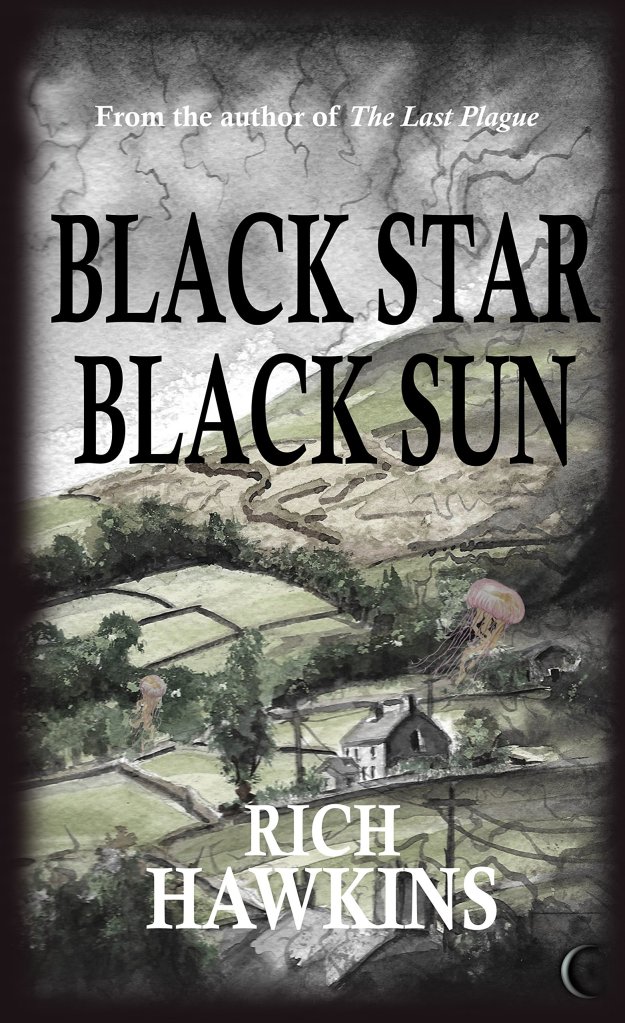
Black Star, Black Sun. Author Rich Hawkins writes: “I wanted to merge cosmic horror with some British folk horror, and make the ending bleak as I could. The village and the surrounding area in the novella were based on the where I grew up. The writings of Friedrich Nietzsche were a large inspiration.”
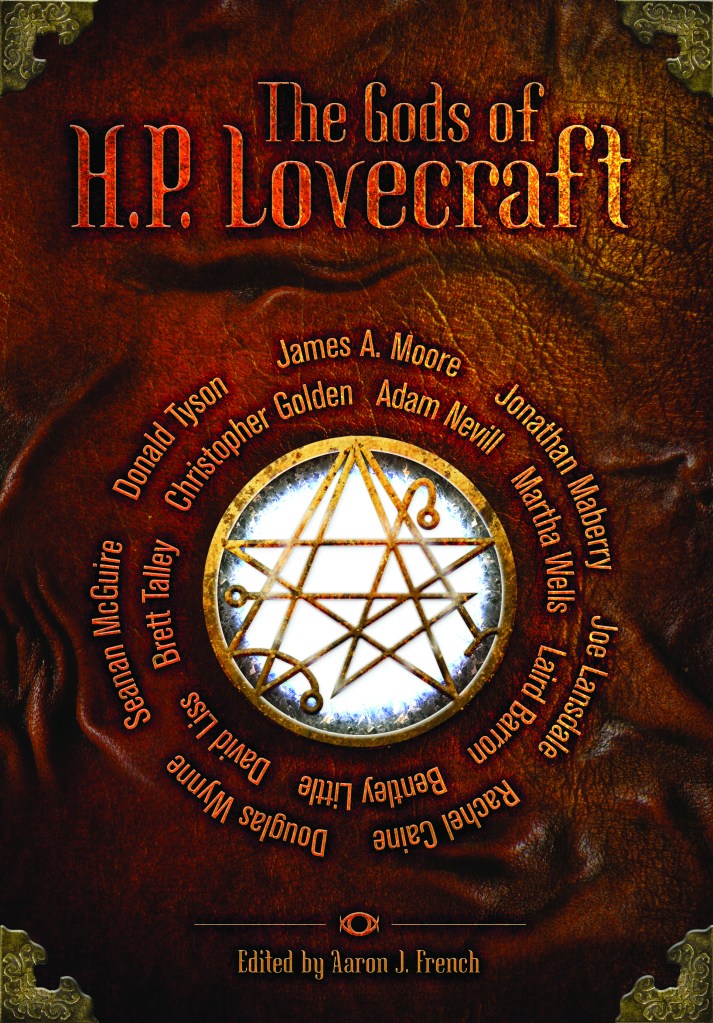
The Gods of H.P. Lovecraft. Editor A.J. French writes: “The idea behind The Gods of HP Lovecraft began with wanting to focus on the more esoteric/mythological elements in Lovecraft’s body of work. After bouncing this idea back and forth with Chris Payne, publisher of JournalStone Publishing, we decided that Lovecraft’s bestiary was the best place to start. This, in turn, led to bouncing the idea back and forth again with Donald Tyson, an expert on HP’s bestiary, who also developed his own magical system based on it. We decided to have Donald write the ‘mythology’ of the gods, and then went after some of our favorite authors to write fictional accounts of these deities. We did choose authors we thought could write in a modern style to befit a more modern audience. New artwork from John Coulthart, Paul Carrick, and Steve Santiago was added, and the final product resulted in a nice balance between past and present Lovecraftianism. It was a lot of fun putting it together!”
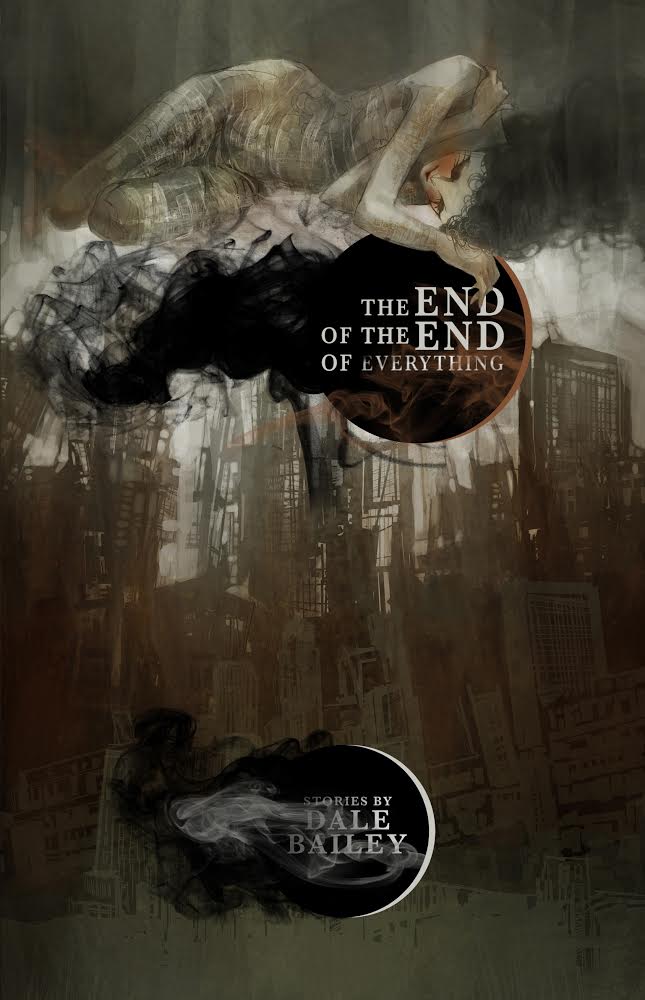
The End of the End of Everything. Author Dale Bailey writes: “The stories in The End of the End of Everything were mostly written in the last few years, after major personal upheavals made me realize just how fragile is the glue that holds our lives together. I survived the crises and I think the stories reflect that. They are tales of apocalypse both global and personal–tales of lives falling apart and occasionally–very occasionally coming together once again.”
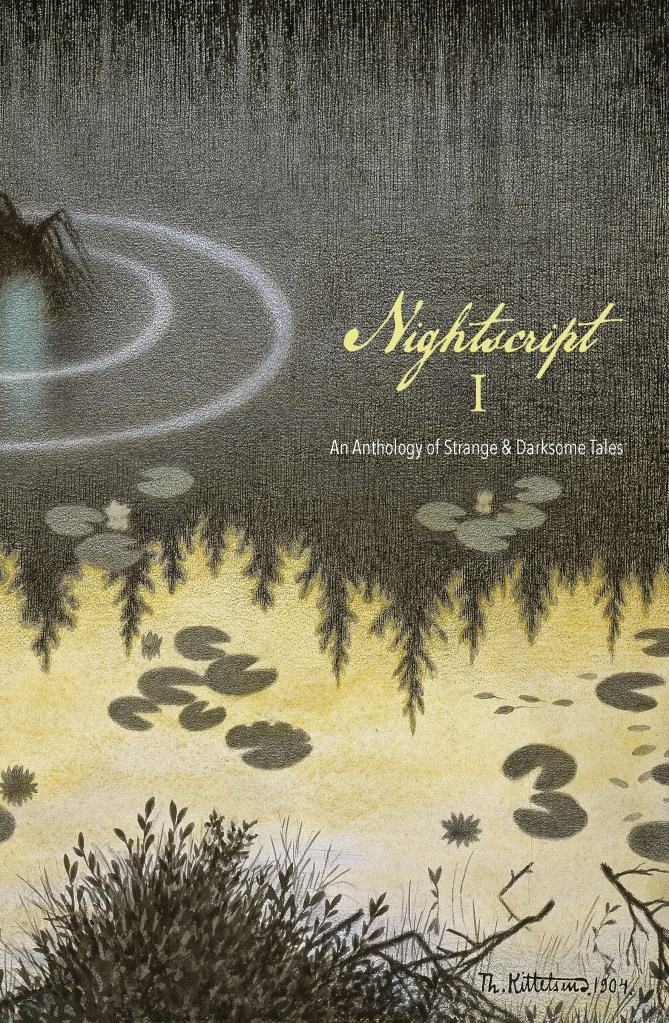
Nightscript I. Editor C.M. Muller writes: “Nightscript began as a one-issue zine back in the 90s, produced shortly before I crept into the ol’ college cave, exchanging my favored Weird slate for a more “lit’ry” one. It took some twenty years to find my way back to these eldritch roots, both as writer and now editor. In 2014, after the announced hiatus of the seminal dark fiction anthology, Shadows & Tall Trees, I struck upon the idea of venturing out on my own, resurrecting the old zine in a new and improved way. I hope to keep the anthology on a steady course as the years creep ever-onward, growing its readership by slow and meaningful degree.”
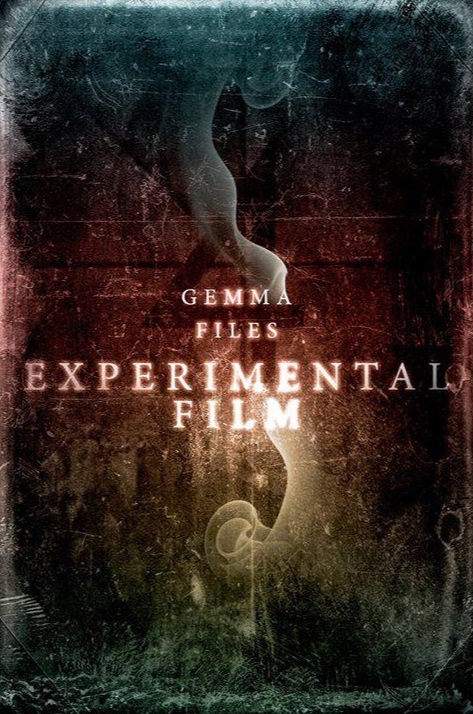
Experimental Film. Author Gemma Files writes: “In a way, Experimental Film is a sequel–a fairly direct one, actually–to Shirley Jackson award-nominated novelette “each thing I show you is a piece of my death,” which I co-wrote with my husband, Stephen J. Barringer. It certainly takes place in that universe, though it also jostles shoulders with the one inhabited by the cast of my story-cycle We Will All Go Down Together: Stories of the Five-Family Coven, which means it evolved directly from almost twenty years of me trying to prove that Toronto/Ontario, Canada, could be just as inherently spooky as any other location. Add to that the fact that the main character is an extraordinarily thin-veiled version of me–hopefully more disagreeable, but who knows?–and the book becomes my attempt to marry the creepy world of my shorter stories with the deep character focus of my longer ones, to crossbreed fiction and fact into a sort of numinous hybrid mishmash. It also involves film history, obsession, tainted artefacts, fairytales, murder and archaeology, because these are all things which make my backbones pop and slide. Hopefully, readers will feel the same.”
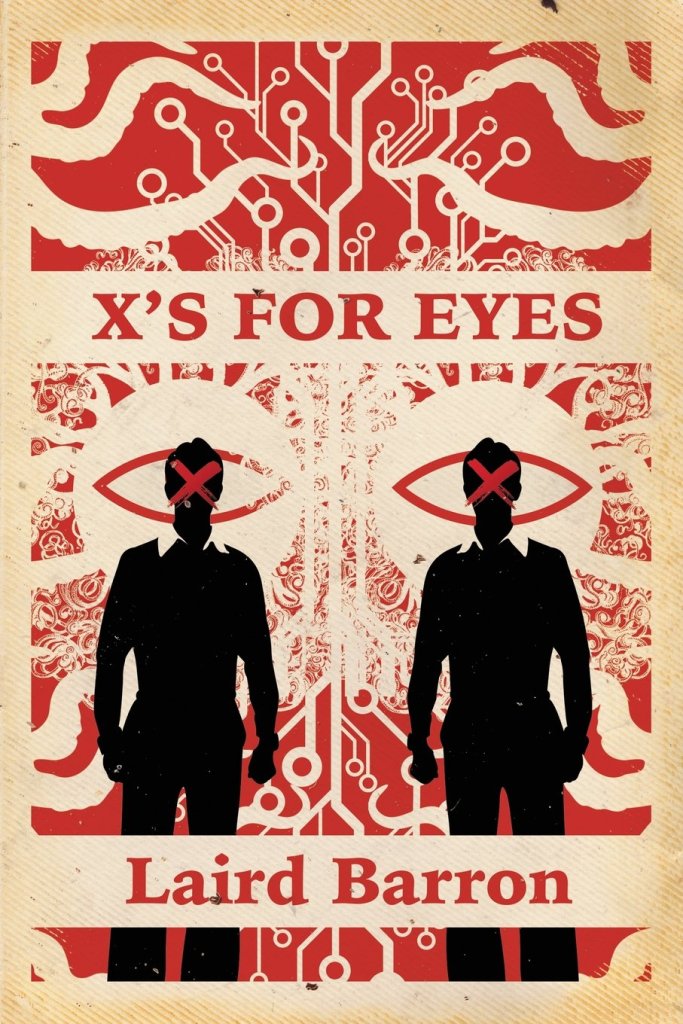
X’s For Eyes. Author Laird Barron writes: “A few years ago, I sat at the table drinking scotch with John Langan. We were kicking around story ideas. Mine was to write a big, sprawling series of anti-Hardy Boys tales that would tie in with my ongoing projects. X’s for Eyes is something of a prequel to The Light Is the Darkness, although the action takes place in a counterfactual universe. Blame it on an early childhood spent in the company of Space Ghost, The Phantom, The Herculoids, Johnny Quest, Encyclopedia Brown, Danny Dunn, Archie, Leave it to Beaver, Gunsmoke, and scores of others. More Tooms brothers novellas are on the horizon for 2016-17, and if the series continues to be successful, the plot line will ultimately progress through the decades into contemporary days. I’d like to see the X’s universe continue to grow in popularity–the Tooms saga is great fun to write.”
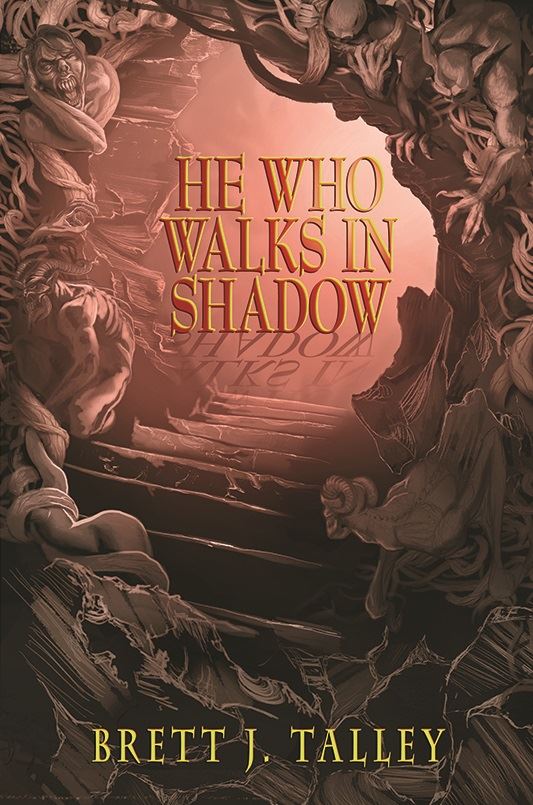
He Who Walks in Shadow. Author Brett J. Talley writes: “One of H.P. Lovecraft’s themes I always found interesting is this idea of verisimilitude. He didn’t write fantasy; he wanted the reader to feel like his stories were happening in their world, to make them question everything they believed. In writing He Who Walks in Shadow, I wanted to apply that theme, to take actual historical events and infuse them with the mythos. The perfect villain to do that was Nyarlathotep. He hangs over everything, appearing throughout history from the time of Christ to the Roman conquest of Gaul to the Black Plague to modern times. And all along he is manipulating humanity to fit his own goal—the end of all things.”
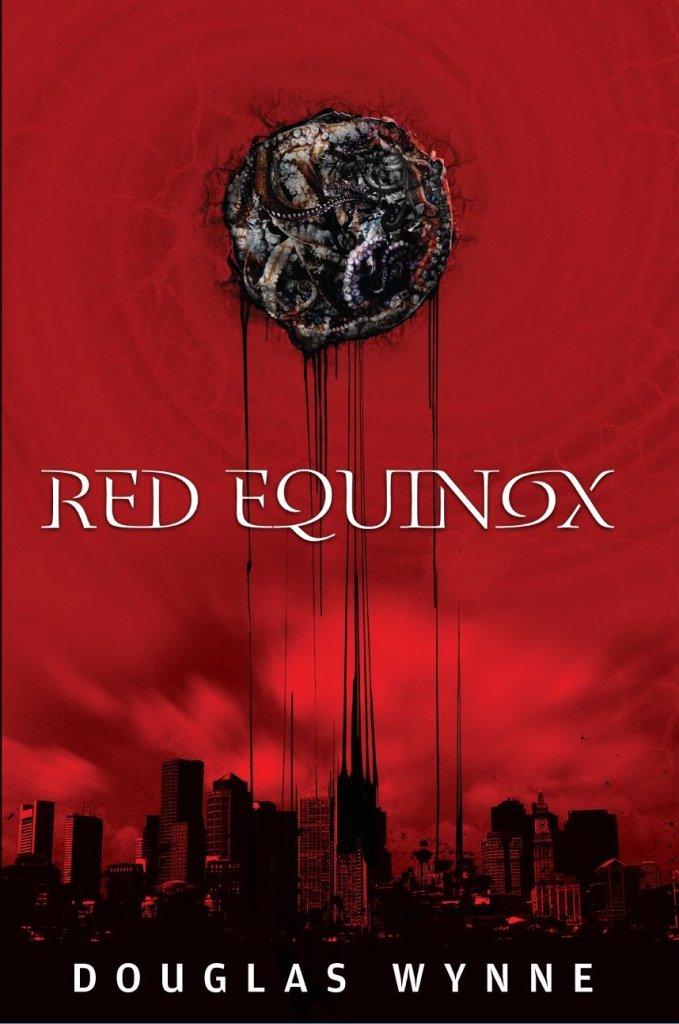
Red Equinox. Author Douglas Wynne writes: “The notion that members of a cult of chaos might live among us, that their nihilistic faith could cost us our lives, is a long-running leitmotif in horror fiction. I wanted to bridge the gap between Lovecraft’s xenophobia and the post 9/11 fears we all live with now, so I invented a modern incarnation of the Starry Wisdom Church, an urban religious minority living in flood-ravaged, near future Boston. These aren’t the gibbering inbred hicks of HPL’s forgotten towns. They attend MIT and use 3D printer technology to bring ancient abominations to life. And they believe that man’s greatest achievement was raising the sea level high enough to make coastal cities a suitable habitat for their dark deities.”
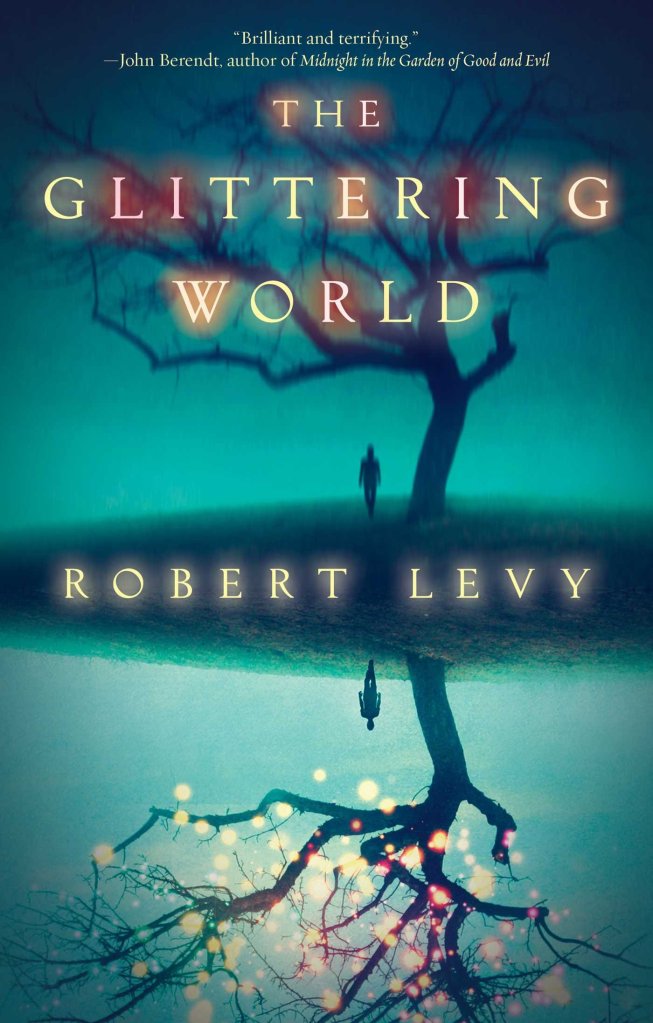
The Glittering World. Author Robert Levy writes: “The Glittering World was written as a love letter to Cape Breton, Nova Scotia, one of the most magical places I’ve spent any significant amount of time. In order to bring it to life, I needed to draw on its rich history and folklore, both native and immigrant, as well as immerse myself in the region’s flora and fauna. In doing so, I ended up creating my own secret populace that dwell below the surface of the earth, an unknowable race of beings born from the very land itself that looks upon humanity with a decidedly cold eye. The novel is ultimately about the peeling back of layers– those of the wider community, of interpersonal relationships, and most of all our hidden truths– until we stand exposed, and thus fully ourselves, in all our dreadful beauty.”
Discover more from The Lovecraft eZine
Subscribe to get the latest posts sent to your email.
 The Lovecraft eZine
Stellar review! I look forward to next year’s!
LikeLike
[…] to see He Who Walks in Shadow listed among their ten best novels of 2015 is a real honor. Check out the link, and buy some of these books! You can’t go […]
LikeLike
[…] as Punch or perhaps Judy to see that none other than Lovecraft eZine has included it in their 2015 Best-of list. Bonus points for it appearing alongside what was probably my personal favorite of last year, […]
LikeLike
[…] weird fiction titles from 2015, complete with commentary from the authors and editors. Check out My Favorite 2015 Lovecraftian and Weird Fiction Books over at The Lovecraft […]
LikeLike